 ONGUGUSocial · Video · Shop · Games
Watch Free Short Dramas, Record a Beautiful Life
Watch free short dramas · Record a beautiful life

Casino Royale Casino Royale A British-American film released in 1967 and directed by Ken Hughes, John Huston, and others. It is a comedy action film directed by Ken Hughes, John Huston, and others, starring David Niven, Peter Sellers, Ursula Andress, and Orson Welles. The film was released in the UK on April 13, 1967, and in the US on April 19, 1967. The film tells the story of retired Sir James Bond, who comes out of retirement after his former superior M is killed, takes charge of British Intelligence, and continues to hunt for the murderer. He encounters a variety of spies and finally faces off against a villain in a secret room at the Royal Casino. Years after Sir James Bond's retirement, several spy organizations compete to visit him, inviting him to come out of retirement to assist in investigating a case of missing and attacked employees. Bond is unmoved, and just as he is feeling bored, his former superior M is killed. After M's death, Sir Bond takes over British Intelligence. To find the murderer, Bond travels from London to Scotland to visit M's widow, only to discover that the widow attempts to seduce him. Bond finds that this widow is an impostor and launches a deeper investigation. Since the agents who were killed were due to their lustfulness, Bond begins training agents who are not lustful and also changes many agents' names to James Bond to provide counterintelligence. Sir Bond invites bridge expert Evelyn Tremble to the Royal Casino, where he defeats the villain Le Chiffre at the card table. Afterwards, Sir Bond discovers that the mastermind behind the scenes is a mysterious figure calling himself "Dr. Noah," who is actually his nephew, Agent Jimmy Bond. Dr. Noah plots to rule the world, eliminating all men taller than four feet six inches and replacing all heads of state with robots. In his investigation, Sir Bond encounters a variety of spies. To rescue his daughter Mata, who has been captured by Dr. Noah, Bond and a team of support forces storm the Royal Casino and engage in a major showdown. http://duanjufenxiang.ongugu.com/

Live and Let Die Live and Let Die A 1973 American film directed by Guy Hamilton is an action film directed by Guy Hamilton and starring Roger Moore and Jane Seymour. The film was released in the United States on June 27, 1973. The film tells the story of James Bond, who is ordered to investigate the murders of three British intelligence agents in the United States. During the investigation, Bond discovers that Mr. Big, a heroin smuggler, and his voodoo cult are the masterminds behind the killings, and he sets out to fight against them. Plot Summary 007 receives a new mission. Three British intelligence agents have been murdered in the United States, but the British government cannot identify the killer. 007 rushes to a foreign land to uncover the truth and unexpectedly finds that the case is not only linked to dark witchcraft but also involves a drug case that could shake the entire world. The mastermind behind the conspiracy, Kananga, is carrying out his evil plans on a voodoo island in the Caribbean. He uses witchcraft to deceive and manipulate the locals, using it as a cover for rampant drug trafficking in an attempt to become a global drug lord. 007 bravely ventures to the voodoo island, beginning a perilous journey. Amid the dangers, he meets Solitaire, the island's female leader, who is deeply dissatisfied with Kananga's rule and helps 007 escape safely. 007 once again finds himself caught in a whirlwind of romance and war. http://duanjufenxiang.ongugu.com/
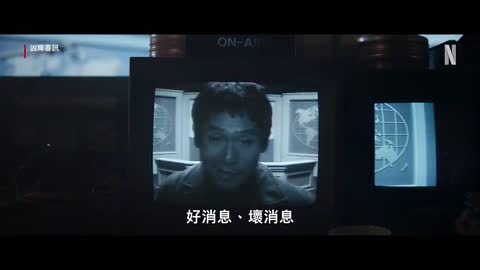
The Good News
Set in the 1970s, the film tells the story of a secret team attempting to land a hijacked plane at all costs. The plot involves a hijacking carried out by a Japanese communist organization, as well as the actions of a mysterious figure code-named "So-and-So" operating under the orders of Park Choong-hoon, the head of the South Korean Central Intelligence Agency. Through its tense narrative, the film showcases the team's determination and the course of their operation.
Free download of movie resources
http://duanjufenxiang.ongugu.com/

Blast the White House Blast the White House A House of Dynamite is a 2025 American thriller directed by Kathryn Bigelow, written by Noah Oppenheim, and starring Idris Elba, Rebecca Ferguson, and Jared Harris. Produced in the United States, the film premiered at the Venice Film Festival on September 2, 2025, was released in select theaters in North America on October 10, and began streaming on Netflix on October 24 of the same year. The film follows a group of officials in the White House who are hastily confronted with a sudden attack: an unclaimed missile is suddenly aimed at the United States, setting off a race to determine who is responsible and how to respond. In July 2025, the film was selected for the main competition of the 82nd Venice International Film Festival. In December, it received a nomination for Best Editing at the 2026 Critics' Choice Awards. In January 2026, it was nominated for Best Editing at the 79th British Academy Film Awards.

"Arborist" resource download HD
free download
http://duanjufenxiang.ongugu.com/
In 2026, a horror film titled "Arborist" is set to hit theaters in the United States. Directed and written by Andrew Mudge, the movie follows Alison (Lucy Waters), a tree expert grieving the loss of a loved one, and her son Ben (Hudson West). While performing logging work on the estate of a mysterious hermit, they inadvertently awaken a long-dormant ghost, setting off a chain of terrifying events.

My family's business. My family's business. Sister The 2025 film directed by Pan Ke-yin is a drama written and directed by Pan Ke-yin himself, starring Lan Wei-hua, Kao Yi-ling, Tseng Jing-hua, Huang Pei-chi, and Yao Chun-yao. The film premiered at the Osaka Asian Film Festival on March 15, 2025, and was released in Taiwan on September 12 of the same year. The film is adapted from director Pan Ke-yin's 2021 short film, based on a family story spanning 24 years, depicting the joys and sorrows interwoven within a family. Synopsis: Searching for the truth of her origins, older sister Xiao-chun (Huang Pei-chi); half-way claiming a father, younger brother Xia-zai (Tseng Jing-hua); trying to reverse his life, dad A-dong (Lan Wei-hua); challenging artificial insemination, mom A-qiu (Kao Yi-ling) — in an ordinary Taiwanese rural family, these four family members desperately strive to become family in each other's lives. Yet heartache, fear, loneliness, and courage each become life's challenges for them. In their weary, darkened hearts, one wonders whether the light called family love can shine through. The formation of a family is never a given. This powerful and warm love lies deeply hidden within every family. Amidst the ebb and flow, they together weave a dazzling and heartwarming landscape. http://duanjufenxiang.ongugu.com/

Distant Mountains, Pale Shadows Distant Mountains, Pale Shadows Last night I watched a movie, adapted from the early debut work of Kazuo Ishiguro. I originally thought it was a romance, but it turned out to be a mystery. The story unfolds through a mother's recollections shared with her daughter, following the Japanese heroine's struggle to leave her homeland after World War II. The main narrative is logically clear, until at the end, when the daughter matches her mother's recollections against her sister's keepsakes, she realizes her mother was lying. In her memories, she conjured an antithesis—a mother figure desperate to escape reality, cruel even to her eldest daughter—yet this person is the same as her biological mother, the two sides of yin and yang unified in one individual. The film also portrays the father-in-law, played by Yūsaku Matsuda. This elderly intellectual refuses to repent after the war, believing his right-wing agitation back then was all in service to the nation, until he is confronted directly by a young scholar. Ishiguro's narrative deftly reveals the dark pain points of human nature. Interpreted through Sartre's existentialism, everyone in modern society seeks freedom, and the pursuit of freedom inevitably means abandoning certain responsibilities. To bridge the gap between the two, people fantasize or fabricate an imagined antithesis, letting this fictional persona bear the responsibility, while they themselves comfortably evade the blame from others that freedom brings. The mother in the story, who lives actively yet treats her eldest daughter cruelly, and the father-in-law, who holds a strong sense of responsibility toward the nation yet led it into a sinful war, both essentially fall into the same trap: they fail to recognize the harm they cause others, rationalizing all their words and actions through fantasy—a vicious cycle. This morning, while strolling in the small garden, I kept recalling scenes from the film, either bathed in brilliant sunshine or shrouded in dim, unpredictable light, clearly the director's deliberate use of lighting to create a sense of illusion. Those deliberate lights lack authenticity, letting the audience sense a hint of falseness and unreality; the color contrasts, the transitions between golden and deep blue in the interplay of light and shadow, aptly substantiate the unsolvable answer within Ishiguro's work. http://duanjufenxiang.ongugu.com/
"Daydream Adventures" resource download HD
Free download
http://duanjufenxiang.ongugu.com/
"Daydream Adventures" premiered in 2025 and is an American production. It is a comedy film starring Julie Huang-Rappaport, Elias Jensen, Craig Robinson, Simu Liu, Cristin Milioti, Hayley Magnelli, Bob Bergen, Zachary Noah Piser, Omid Giahi Lee, Gia Cardenas, Maisy Benson, Jorge Diaz, Quinn Minichino-Aikins, Eric Benson, Liz Freedman, Karen Gough, Scott Menville, Shengwang Zhao, Alex Cazares, Reese Warren, and others. The dialogue language is English.

The Goldsmith's Secret Resource Download HD
Free Download
http://duanjufenxiang.ongugu.com/
The 2025 Spanish film The Goldsmith's Secret, directed by Olga Osorio, is a drama helmed by the Spanish filmmaker, adapted from the novel of the same name by Elia Barceló, and was released in Spain on February 28, 2025. The film stars Mario Casas, Michelle Jenner, Zoe Bonafonte, Enzo Oliver, Sergio Crespo, among others, with Michelle Jenner as Celia (1976), Ramón Vila as Fabián (1976), and Zoe Bonafonte as Celia (1953). The film runs 99 minutes and is also known as The Goldsmith's Secret. The screenplay was written by director Olga Osorio and original author Elia Barceló.

My Idol President resource download HD
Free download
http://duanjufenxiang.ongugu.com/
A 2026 South Korean romantic comedy directed by Park Ji-hyun and Chung Do-kyung.
My Idol President is a South Korean romantic comedy produced by tvN, co-produced by Studio Dragon, Studio N, and NPIO, directed by Park Ji-hyun and Chung Do-hyun, written by Lee Young and Kim Ji-an, and starring Kang Hoon, Kim Hye-jun, Cha Woo-min, and Shin Yoo-na.
My Idol President is adapted from the webtoon of the same name by writer Seong Eun. It tells the story of new employee Nam Da-rin, who accidentally lands a job at his favorite idol's agency in hopes of meeting his idol, and grows both in his career and in love along the way.
The drama is set to premiere on South Korea's tvN on August 3, 2026, and will be available on streaming platforms TVING and Wavve. After its release, the first

"Wizards Beyond Waverly Place" Season 3/Season 2/Season 1 HD resource download
Free download
http://duanjufenxiang.ongugu.com/
2024 American TV series starring Selena Gomez
"Wizards Beyond Waverly Place" is an American fantasy comedy series. It is a sequel to the Emmy Award-winning "Wizards of Waverly Place" and produced by Disney Branded Television. The first season premiered in the United States on October 29, 2024. The series stars include Selena Gomez, Janice LeAnn Brown, David Henrie, Mimi Gianopulos, Alkaio Thiele, Max Matenko, and Taylor Cora.
In the second season, Billie gradually realizes that becoming a member of the Russo family may be more complicated than she imagined, especially since she is no longer the only wizard in the family.
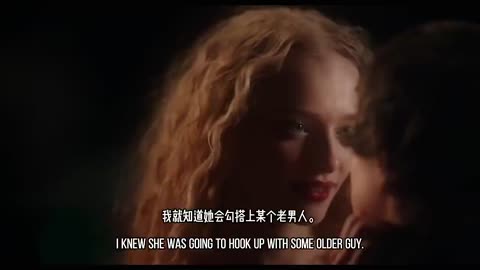
"My Family's Stranger" HD Download
Free Download
http://duanjufenxiang.ongugu.com/
"My Family's Stranger" is an American thriller film released in 2025. [Plot Summary] The film tells the story of a handsome stranger who informs a couple that their 15-year-old daughter was switched at birth, throwing their once-happy family into chaos as the shocking secrets hidden beneath are gradually revealed.

"A Jonas Christmas" resource download HD
Free download
http://duanjufenxiang.ongugu.com/
A 2025 film directed by Alice Wu
"A Jonas Christmas" is a Christmas-themed musical comedy directed by Emmy and Oscar winner Alice Wu, co-produced by Disney Brand Television, 20th Century Television, and The Walk-Up Company. It premieres on November 14, 2025, on Disney+ and Hulu. The film is co-written by Isaac Aptaker and Elizabeth Berger, with Justin Tranter serving as executive music producer. Jonas Brothers members Kevin, Joe, and Nick star as themselves, with Jesse Tyler Ferguson as Santa Claus, and also featuring Chloe Bennet, Billy Lourd, Laverne Cox, Andrew Barth Feldman, Randall Park, and Pu
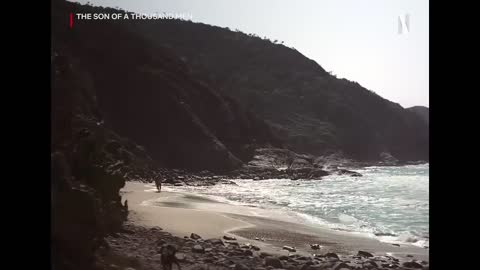
The Son of a Thousand Men HD Download
Free Download
http://duanjufenxiang.ongugu.com/
"The Son of a Thousand Men" is a 2025 Brazilian drama film directed by Daniel Rezende, telling the story of a solitary fisherman who adopts orphans and builds an unconventional family.
Basic Movie Information
Title and Alternative Names: Chinese title "千人之子", original Portuguese title "O Filho de Mil Homens", English title "The Son of a Thousand Men".
Creative Team:
Director: Daniel Rezende, who previously directed "Mona Lisa and the Blood Moon" among other works.
Starring: Rodrigo Santoro (as fisherman Cristóvão), Miguel Martins (as orphan Camilo)
xXx: Return of Xander Cage / xXx: State of the Union / xXx HD download
Free download
http://duanjufenxiang.ongugu.com/
A film released by Paramount Pictures in the United States
When Gibson (Samuel L. Jackson), the founder of the Triple X program, is killed, NSA agent Marke (Toni Collette) decides to bring back Xander Cage (Vin Diesel), who has been under government surveillance since faking his death. To avenge Gibson, he agrees to return and assembles a new Triple X team, including sniper Adele Wolff (Ruby Rose), stunt driver "Torch" Tennyson (Rory McCann), nightclub DJ Nicks (Kris Wu), and computer analyst Becky (Nina Dobrev). The rogue agents targeted by Xander Cage's team include their leader Xiang (Donnie Yen

"Divergent Part 3/Part 2/Part 1" HD download
Free download
http://duanjufenxiang.ongugu.com/
The *Divergent* series is an American sci-fi action film trilogy released between 2014 and 2016, consisting of *Divergent* (2014, directed by Neil Burger), *Insurgent* (2015), and *Allegiant* (2016, directed by Robert Schwentke). The cast includes Shailene Woodley, Theo James, Kate Winslet, and more.
[Plot Summary] The series is adapted from Veronica Roth's novel of the same name, set in a dystopian Chicago. It follows the heroine Tris, a "Divergent" who cannot be defined by a single faction, as she seeks the truth amid factional conflict. The first film won the Best Action Adventure Movie award at the 2014 Teen Choice Awards.
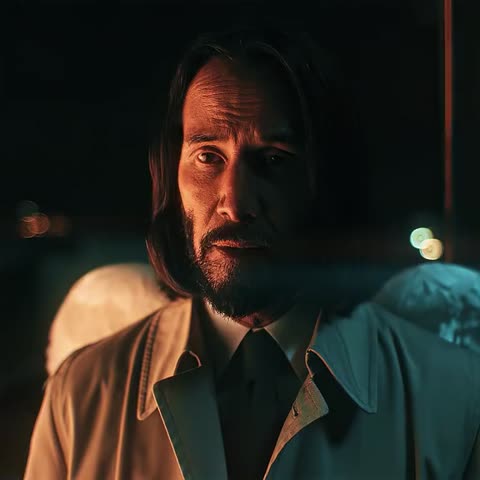
"Good Luck" HD Resource Download
Free Download
http://duanjufenxiang.ongugu.com/
Good Luck is an excellent comedy film from director Aziz Ansari, starring Aziz Ansari, Keanu Reeves, Seth Rogen, Keke Palmer, Sandra Oh, and Stephen. The film's key elements are unknown... The angel Gabriel (Keanu Reeves) sets out to prove to Ajay (Aziz Ansari), who scrapes by on odd jobs, that money can't buy true happiness — so he has him swap lives with Jeff (Seth Rogen), a wealthy tech upstart. But unexpectedly, Ajay thoroughly enjoys Jeff's lavish lifestyle. Failing in his mission, Gabriel loses his wings and is forced to live on Earth alongside mortals.

Death Race resource download HD
Free download
http://duanjufenxiang.ongugu.com/
A horror film directed by Francis Lawrence in the US in 2025
Death Race is a horror film produced in the US, directed by Francis Lawrence, written by JT Mollner, and starring Cooper Hoffman, David Jonsson, Mark Hamill, and others. It was released in North America on September 12, 2025.
The film is adapted from a Stephen King novel and tells the story of a future dystopian society where 100 young people take part in a walking "race" and are required to keep moving forward with no finish line. Anyone who falls behind or can no longer walk is killed with a single gunshot to the head after three warnings, until only one person remains.
In December 2025, it was nominated for the 2025 Independent Spirit Award in the Film category - Robert Altman Award.
As of December 20
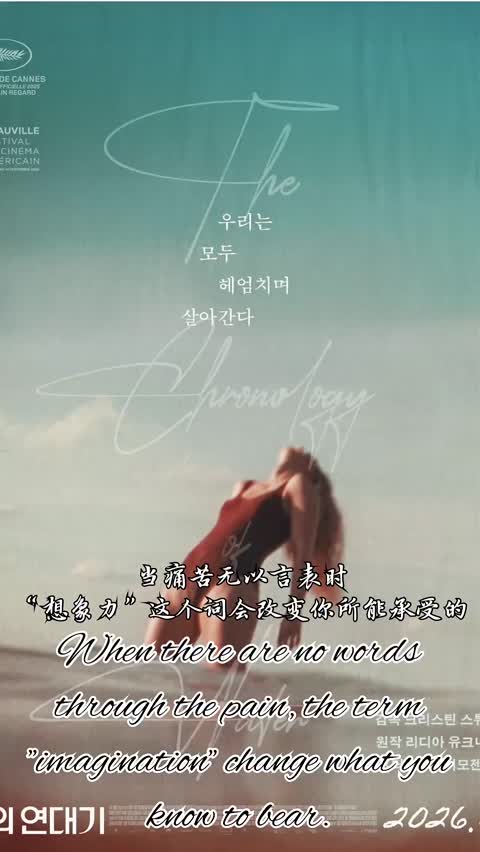
"Age of Water" HD Resource Download
Free Download
http://duanjufenxiang.ongugu.com/
A 2025 love biopic directed by Kristen Stewart, produced in the United States, France, and Latvia
"Age of Water" is a love biopic directed by Kristen Stewart, written by Kristen Stewart and Andy Mingo, starring Imogen Poots, and produced in the United States, France, and Latvia. It premiered at the Cannes International Film Festival in France on May 16, 2025. It will have a limited release in North America on December 5, 2025, and will expand on January 9, 2026.
The story is adapted from a memoir by Lydia Yuknavitch and follows the redemption journey of a swimmer turned artist, who survives a devastating life of abuse, drug addiction, self-destruction, and the loss of her child, eventually becoming a successful teacher, mother, and

366 Days (Movie Version) http://duanjufenxiang.ongugu.com/

"Ghost Diver" resource download HD
Free download
http://duanjufenxiang.ongugu.com/
As an ocean research vessel explores unusual shark activity in the Gulf of Mexico, they uncover the horrifying truth behind an island legend. In this chilling thriller, the pressure mounts with every dive—from rare sharks attacking their submersible 2,000 feet beneath the sea, to diving amid a shark frenzy at night, to unexpected twists that leave audiences gasping for air. As the ship slowly sinks and ghost divers close in around them, hostility among the crew escalates, the tension tightens with each passing moment, and every breath could be their last.
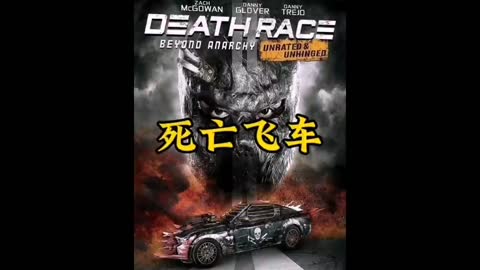
"Death Race Part 1/Part 2/Part 3/Part 4" resource download HD
free download
http://duanjufenxiang.ongugu.com/
"Death Race" is an action movie directed by Paul W.S. Anderson, written by Paul W.S. Anderson, Robert Thom, and Charles B. Griffith, and starring Jason Statham, Joan Allen, Tyrese Gibson, and others. The film was released in the United States on August 22, 2008. It is a remake of the 1975 film "Death Race 2000" and tells the story of renowned driver Jensen Ames, who is framed by the warden and imprisoned, forced to compete in a high-stakes car race where his life is on the line. As of April 5, 2024, the film has grossed $76,014,335 worldwide.

Resources for "Hedda" download HD
free download
http://duanjufenxiang.ongugu.com/
A 2025 American romantic film directed by Nia DaCosta
"Hedda" is a romantic film written and directed by Nia DaCosta, starring Tessa Thompson, with Imogen Poots, Tom Bateman, Nicholas Pinnock, Nina Hoss, and others, produced in the United States. It premiered at the Toronto International Film Festival on September 7, 2025, was released in limited theaters in North America on October 22, 2025, and will stream on Amazon on October 29, 2025.
Based on a classic work by Henrik Ibsen, the film follows Hedda as she finds herself caught between the lingering pain of a past love and the calm of her present life. On one passionate night, long-suppressed desires explode, drawing her and everyone around her into a web of manipulation, passion, and betrayal.

30000+ short drama resources for free download
http://duanjufenxiang.ongugu.com/
"Night of the Giant Bear" Resource Download HD
Free Download
http://duanjufenxiang.ongugu.com/
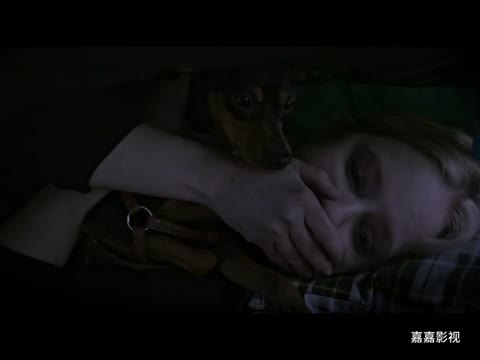
2026 Film Directed by Burke Darren
"Night of the Giant Bear" is an American thriller horror film directed by Burke Darren, written by Katrina Mathewson, Tanner Bean and others, and starring Charles Isten, Ode Phil and others. Released on January 30, 2026, it marks Burke Darren's true feature-length directorial debut. The film is based on the real events of two deadly grizzly bear attacks that occurred in Glacier National Park, Montana, on August 12, 1967. It tells the story of how the park service, hunters, the Air National Guard, and tourists were drawn into rescue efforts after the attacks happened just nine miles apart within less than three hours.
On August 12, 1967, in Glacier National Park, Montana, two incidents occurred...

"Black Domain Blockade" HD resource download
Free download
http://duanjufenxiang.ongugu.com/
2026 American action film directed by LeeAnne Bauer
Black Domain Blockade is an American action crime film co-written and directed by LeeAnne Bauer and David M. Parks, starring LeeAnne Bauer and Mike Ferguson. It was released in the United States on January 27, 2026.
The film follows two veterans who, after a national nuclear crisis breaks out, are forced to ally with potential enemies to protect their team and confront the shadows of the past in a world of chaos. The film has been questioned by professional critics for its lack of sustained world-building, with character motivations said to rely too heavily on surface-level plot logic.

"Champagne in Love" resource download HD
Free download
http://duanjufenxiang.ongugu.com/
2025 romantic comedy film directed by Mark Steven Johnson
"Champagne in Love" is a romantic comedy film directed and written by Mark Steven Johnson, starring Minka Kelly, Tom Woznitchka, Flula Borg, Xavier Samuel, Maeve Coutier-Li, and others. The film premiered globally on Netflix on November 19, 2025.
The film follows American corporate executive Sydney, who travels to Paris to acquire a renowned French champagne brand, but falls for a local man named Henry on Christmas Eve. As their relationship deepens, Sydney is shocked to discover that Henry is the son of the brand's founder, leaving her cross-border acquisition plan caught in a dilemma fueled by unexpected romantic entanglements.
A determined and bold executive, Sydney heads to

"Helpless" HD Download
Free Download
http://duanjufenxiang.ongugu.com/
Director: Park Chan-wook
Screenwriter: Park Chan-wook / Lee Kyung-mi / Don McKellar / Lee Jae-hye
Starring: Lee Byung-hun / Son Ye-jin / Park Hee-soon / Lee Sung-min / Yum Hye-ran / More...
Genre: Drama / Comedy / Thriller / Crime
Country/Region of Production: South Korea
Language: Korean / English
Release Date: 2025-08-29 (Venice Film Festival) / 2025-09-24 (South Korea)
Running Time: 139 minutes / 157 minutes (Director's Cut)
Also Known As: *No Other Choice* (Hong Kong) / *No Way Out* (Taiwan) / *Helpless* / *At the End of the Road* / *Nothing Else to Do* / *The Axe*
*Frankenstein* HD Resource Download
Free Download
http://duanjufenxiang.ongugu.com/
A Novel by Mary Shelley
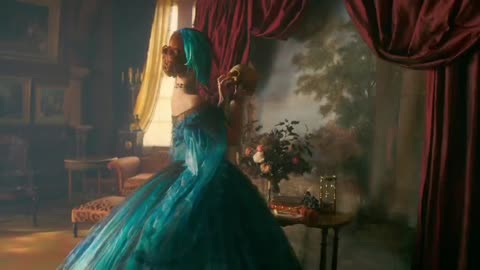
*Frankenstein* (full title: *Frankenstein; or, The Modern Prometheus*, also translated under other titles such as *The Modern Prometheus* and *The Story of the Artificial Man*) is a novel written by English author Mary Shelley, first published in 1818.
The work tells the story of Victor Frankenstein, a biologist obsessed with the origins of life. Driven by a morbid curiosity, he frequents charnel houses, attempting to piece together a giant human body from the various parts of different corpses. When the monster finally gains life and opens its eyes, Frankenstein is terrified by its hideous appearance and flees, abandoning it. The creature, however, relentlessly pursues him, demanding a female companion, warmth, and friendship; what follows is a series of eerie mysteries and murders. The
Hostage HD Download
Free Download
http://duanjufenxiang.ongugu.com/
Hostage is an action thriller film directed by Florent Emilio Siri, starring Bruce Willis, Kevin Pollak, and Ben Foster, released in the United States on March 11, 2005.
Based on Robert Crais's novel of the same name, the film tells the story of police hostage negotiator Jeff Talley, who must make a difficult choice between others and his own family while resolving a kidnapping case.
2026 Action Movie "Shake Up" HD Download
Free Download
http://duanjufenxiang.ongugu.com/
"Chess Queen" resource download HD
Free download
http://duanjufenxiang.ongugu.com/
A 2026 documentary directed by Rory Kennedy—two entries share this title.
"Chess Queen" is a biographical documentary directed by Rory Kennedy and co-written by Mark Bailey and Kevin McAlester. It premiered at the Sundance Film Festival on January 27, 2026, and was released on Netflix on February 6 of the same year. The film features Hungarian chess player Judit Polgár herself and is presented in English and Hungarian. Running 93 minutes, it focuses on her career and her breakthrough against gender barriers.
The film centers on Judit Polgár, the greatest female chess player and one of the most renowned prodigies in chess history, documenting her experiences challenging gender bias in the chess world at age 12, when the field
"First Blood Part 5/Part 4/Part 3/Part 2/Part 1" resource download HD
Free download
http://duanjufenxiang.ongugu.com/
American action-adventure film series
"First Blood" is an American action-adventure film series starring Sylvester Stallone. The first installment was released on October 22, 1982, directed by Ted Kotcheff and adapted from David Morrell's novel of the same name. The series spanned 37 years and produced five main installments, including the second (1985/George P. Cosmatos), the third (1988/Peter MacDonald), the fourth (2008/directed and starred by Stallone) and the fifth (2019/Adrian Grunberg), portraying Vietnam War veteran John Rambo's involvement in transnational conflicts due to war trauma and social prejudice. First production cost
"Return to Rebirth" resource download HD
Free download
http://duanjufenxiang.ongugu.com/

"Rocky 6/Rocky 5/Rocky 4/Rocky 3/Rocky 2/Rocky 1" HD download
Free download
http://duanjufenxiang.ongugu.com/
"Rocky", also known as Dragon Fist, Tiger Wei, is a sports film jointly released by MGM and United Artists. It was directed by John G. Avildsen, written by Sylvester Stallone, and starred Sylvester Stallone, Talia Shire, Carl Weathers, and Burgess Meredith. The film was released in the United States on December 3, 1976.
The film is adapted from the real experience of professional boxer Chuck Wepner and tells the story of an ambitious young man named Rocky, who rose from a club boxer in Philadelphia to a world champion. Rocky is a low-level thug for a mob organization and an amateur boxer. He often acts as a sparring partner, but rarely makes much money.

"Grace" HD download
Free download
http://duanjufenxiang.ongugu.com/
"Grace" is a drama film written and directed by Italian director Paolo Sorrentino, starring Toni Servillo and Anna Ferzetti, with Massimo Venturiello, Milvia Marigliano, Orlando Cinque, and others in supporting roles, and Ludovica Ferrario serving as production designer. The film premiered at the Venice Film Festival on August 27, 2025, and is scheduled for release in Australia on September 17, 2025, and in Italy on January 15, 2026, with a runtime of 133 minutes. In July 2025, the film was shortlisted for the main competition at the 82nd Venice International Film Festival and had its world premiere as the festival's opening film; during the festival's opening period, hundreds of filmmakers called on the organizers to take a stance on the Gaza issue.

Train Dreams Train Dreams The Train Dreams is a drama film directed by Clint Bentley and co-written with Greg Koveda, starring Joel Edgerton, Felicity Jones, and others. It premiered at the Sundance Film Festival on January 24, 2025, was released in limited theaters in North America on November 7, 2025, and debuted on Netflix on November 21, 2025. The film is adapted from Denis Johnson's novella and tells the story of Robert Granier, a lumberjack and railroad worker, who, in the rapidly changing United States of the early 20th century, devotes himself to building railroads across the country, experiencing a life of unexpected depth, beauty, and strangeness. On October 29, 2025, the film was nominated for the Best Picture and Best Adapted Screenplay awards at the 35th Gotham Film Awards. In December, it won the Best Cinematography award at the 51st Los Angeles Film Critics Association Awards. In January 2026, it was honored as one of the Top 10 Foreign Language Films of 2025 at the 6th Golden Jade Flower Awards. In January 2026, it received nominations for Best Picture, Best Adapted Screenplay, Best Cinematography, and Best Original Song at the 98th Academy Awards. In the same month, the film was nominated for Best Cinematography at the 79th British Academy Film Awards. http://duanjufenxiang.ongugu.com/

Hereditary HD Download
Free Download
http://duanjufenxiang.ongugu.com/
A 2018 American horror film written and directed by Ari Aster
Hereditary is a horror film written and directed by Ari Aster, starring Toni Collette, Gabriel Byrne, Alex Wolff, and Milly Shapiro. It was released in the United States on June 8, 2018.
The film follows the Graham family as they descend into a series of terrifying events rooted in hereditary curse after the death of their matriarch, Ellen.
In July 2019, the film was nominated for the Saturn Award for Best Horror Film at the 45th Saturn Awards. As of December 3, 2025, the film has grossed approximately $82.73 million worldwide.
Plot Synopsis
Read
Edit
After the death of 78-year-old grandmother Ellen,
"Family Plan 2" HD download
Free download
http://duanjufenxiang.ongugu.com/
A 2025 American and British action comedy directed by Simon Cellan Jones
"Family Plan 2" is an action comedy directed by Simon Cellan Jones, written by David Coggeshall, produced and starring Mark Wahlberg, and featuring Michelle Monaghan, Kit Harington, Zoe Margaret Colletti, and others. The film will premiere online in the United States on November 21, 2025.
The film follows Dan, whose past as an assassin is behind him, and all he wants for Christmas is to spend quality time with his kids. However, when he learns that his daughter has her own plans, he books a family trip to London anyway, only to put the whole family in the crosshairs of an unknown enemy.
Once a secret assassin, now he has become

"Some Day" is a Mexican drama film released in 2025, directed by Rodrigo García. It tells the story of six women who experience madness and transformation over the course of a single day.
"Some Day" HD download
Free download
http://duanjufenxiang.ongugu.com/
Director: Directed and written by Mexican director Rodrigo García.
Main cast:
Naí González Norwind.
Adriana Barraza (Oscar-nominated).
Cassandra Ciangherotti.
Daniel Tovar.
Alfredo Castro, among others.
Production information: Produced by Panorama Global, filmed in Mexico City.
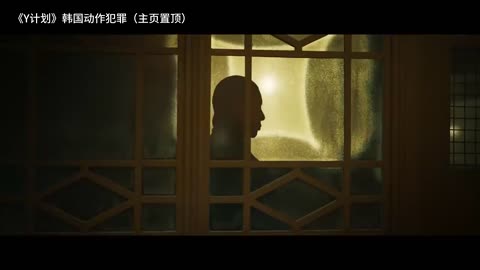
Project Y South Korea 2026 crime film starring Han So-hee and Jun Jong-seo, "Y Project" synopsis · · · · · · Rock bottom drives two women to steal millions in gold—their last life-or-death gamble. Mi Seon and Do Gyeong may have grown used to fighting for survival in the most dangerous parts of Gangnam, Seoul, but that doesn't mean they've made peace with it. With nothing but each other, the two friends desperately save up to escape their dangerous lifestyle. Yet just as "retirement" is within reach, the world betrays them and shatters their hopes. On the edge of despair, they discover a hidden fortune in Gangnam—including stolen cash and gold—and stake everything on one final high-stakes gamble. http://duanjufenxiang.ongugu.com/

“Love Me, Love Me” HD resource download
Free download
http://duanjufenxiang.ongugu.com/

President Lu is getting a divorce today
Free download of 30,000+ short drama resources (updated daily)
http://duanjufenxiang.ongugu.com/

Seven Days in June – HD resource download
Free download
http://duanjufenxiang.ongugu.com/
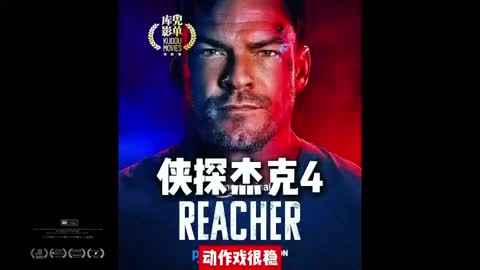
Reacher Season 4, American TV series
Free download
http://duanjufenxiang.ongugu.com/

Creation: God of War http://duanjufenxiang.ongugu.com/

"Boundary Barrier" resource download HD
Free download
http://duanjufenxiang.ongugu.com/
"12 Strong" HD download
Free download
http://duanjufenxiang.ongugu.com/
Silo & Wool Chronicles Season 3 is a science fiction suspense drama directed by Adam Bernstein in the United States in 2026.
"2012" High-Definition Resource Download
Free Download
http://duanjufenxiang.ongugu.com/

12th Fail resource download HD
Free download
http://duanjufenxiang.ongugu.com/

Prehistoric Planet: Ice Age http://duanjufenxiang.ongugu.com/
"Total War: Brotherhood" resource download HD
Free download
http://duanjufenxiang.ongugu.com/
"3 Days of Vacation" HD resource download
Free download
http://duanjufenxiang.ongugu.com/
Red Line of Life and Death
Free Download
http://duanjufenxiang.ongugu.com/

"Faces I Can't Forget" resources download HD
Free download
http://duanjufenxiang.ongugu.com/

"Magic Gummy Candy Shop" Live-Action resource download HD
Free download
http://duanjufenxiang.ongugu.com/

Love Drama
American 2026 dark comedy romance film directed by Christopher Bogley
Free download
http://duanjufenxiang.ongugu.com/
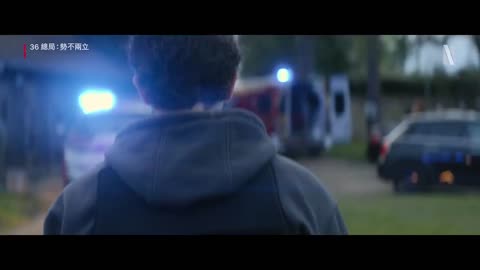
36 Bureau: Deadly Confrontation resource download HD
free download
http://duanjufenxiang.ongugu.com/
"4:44" resource download HD
free download
http://duanjufenxiang.ongugu.com/

"30 Days" resource download HD
Free download
http://duanjufenxiang.ongugu.com/
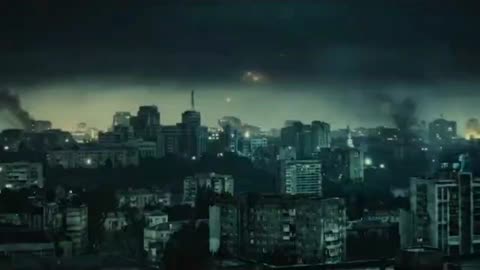
2026 Action "Man of War"
Free download
http://duanjufenxiang.ongugu.com/
"Man of War" is a 2026 American action film directed by William Kaufman and starring Ramonica Garrett, Andrew Howard, and others.
The film follows a humanitarian aid worker who goes missing in Ukraine at the outbreak of the war, prompting former Navy SEAL Connor to return to the war zone to rescue him, confronting mercenaries and his own past amid the ruins.

"The 52 Hz Whale" HD download resource
Free download
http://duanjufenxiang.ongugu.com/

"6888女子营" resource download HD
Free download
http://duanjufenxiang.ongugu.com/
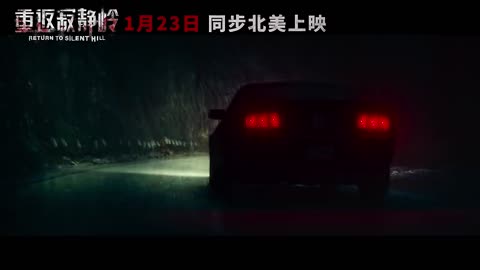
Return to Silent Hill HD download
Free download
http://duanjufenxiang.ongugu.com/
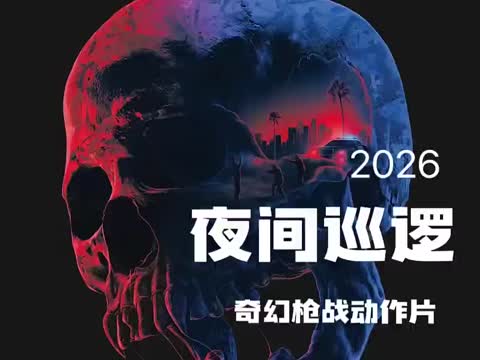
"Night Patrol" HD resource download
Free download
http://duanjufenxiang.ongugu.com/

"Concave-convex Double Heroes" HD resource download
Free download
http://duanjufenxiang.ongugu.com/
"Soft Like Honey" HD resource download
Free download
http://duanjufenxiang.ongugu.com/

"Crazy Blood Rain" resource download HD
Free download
http://duanjufenxiang.ongugu.com/

"Exit 8" resource download HD
Free download
http://duanjufenxiang.ongugu.com/

Download "Supreme Marty" in HD
Free download
http://duanjufenxiang.ongugu.com/

"猎局反转" [Hunting Game Reversal] HD resource download
Free download
http://duanjufenxiang.ongugu.com/

"Police Woman Season 1/Season 2" HD resource download
Free download
http://duanjufenxiang.ongugu.com/

"21 Heroic Souls" HD download
Free download
http://duanjufenxiang.ongugu.com/
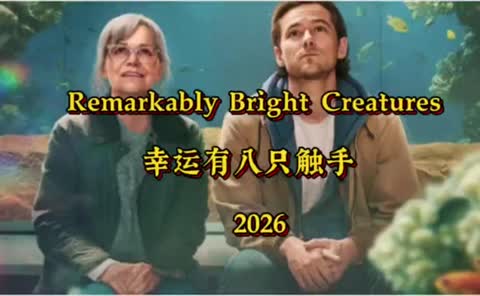
Lucky Has Eight Tentacles
2026 American drama film directed by Olivia Newman
Free download
http://duanjufenxiang.ongugu.com/

"Grandpa and Grandson University Road" resources download HD
Free download
http://duanjufenxiang.ongugu.com/

F1: Racing Speed http://duanjufenxiang.ongugu.com/

Sky Fighters resource download HD
Free download
http://duanjufenxiang.ongugu.com/

Download "Aftermath" resource in HD
Free download
http://duanjufenxiang.ongugu.com/
"The Canyon" resource download HD
free download
http://duanjufenxiang.ongugu.com/

[Korean Drama] The Wager
Free download
http://duanjufenxiang.ongugu.com/

My idol CEO Korean drama
Free download
http://duanjufenxiang.ongugu.com/

The Captive Cervantes http://duanjufenxiang.ongugu.com/
"Strangers Chapter 3/Chapter 2/Chapter 1" resource download HD
Free download
http://duanjufenxiang.ongugu.com/

2026 thriller "Rose Pruning"
A 2026 black satire directed by Karim Enouz, produced in Italy, Germany and other countries
Free download
http://duanjufenxiang.ongugu.com/

"Parents and Siblings" resource download HD
Free download
http://duanjufenxiang.ongugu.com/

Magellan Resource Download HD
Free Download
http://duanjufenxiang.ongugu.com/
"Unparalleled" HD download resource
free download
http://duanjufenxiang.ongugu.com/

"How to Make a Big Buck" resource download HD
Free download
http://duanjufenxiang.ongugu.com/
Troll 2 HD download
Free download
http://duanjufenxiang.ongugu.com/
"London Calling" HD download
Free download
http://duanjufenxiang.ongugu.com/

HBO-produced DC comics adaptation "Green Lantern Corps"
Free download
http://duanjufenxiang.ongugu.com/

Protector
Free Download
http://duanjufenxiang.ongugu.com/

"Blue Moon" resource download HD
Free download
http://duanjufenxiang.ongugu.com/
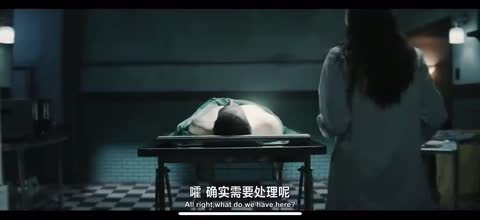
Mortuary Assistant
Free Download
http://duanjufenxiang.ongugu.com/

Ward River
Free download
http://duanjufenxiang.ongugu.com/

Blaze of Valor 3
Free download
http://duanjufenxiang.ongugu.com/

Judgment Korea
Free download
http://duanjufenxiang.ongugu.com/

Avatar: Fire and Ash (2025)
Free download
http://duanjufenxiang.ongugu.com/
Who Wants to Be the Boss? Korean drama
Free download
http://duanjufenxiang.ongugu.com/